
Explore Tulip’s journey as a female Engineering Manager. Uncover challenges, advice for women in engineering, and insights on her evolving career in this dynamic field.
Women In Engineering
FPGA Insights has conducted an exclusive interview with Tulip Banerejee, working as Engineering Manager at Directi, to gain valuable insights into her experiences as a woman in engineering.
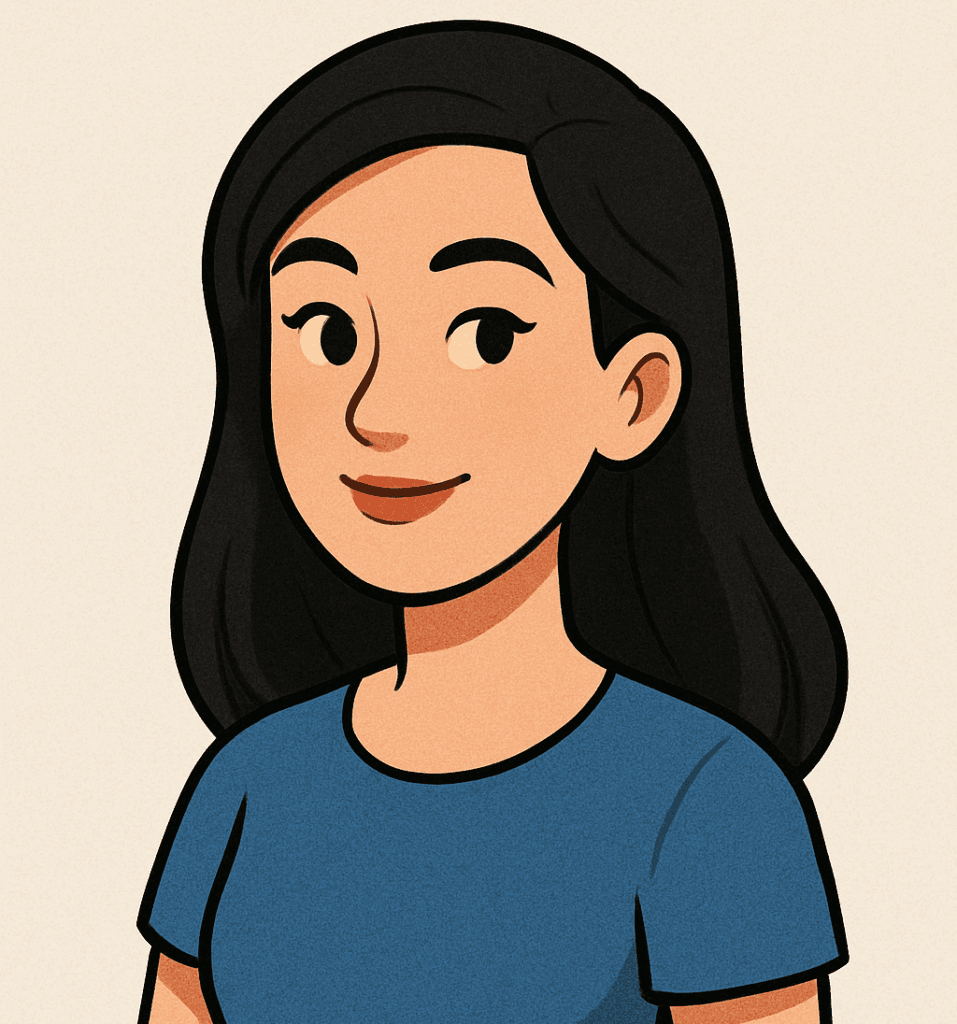
What’s your Name, job title & area of research/work?
My name is Tulip Banerejee, and I’m an Engineering Manager at Directi.
I come from a software engineering background, and my work primarily revolves around building scalable distributed systems, leading high-impact engineering teams, and driving product-focused innovation.
I come from a software engineering background, and my work primarily revolves around building scalable distributed systems, leading high-impact engineering teams, and driving product-focused innovation.
What sparked your interest in engineering? Can you describe the moment you realized this was a field you’d like to pursue?
My interest in engineering started very early, mostly out of curiosity. I was the kind of kid who always wanted to understand why something worked the way it did. But the real turning point came in high school when I wrote my first basic program.
Seeing the computer respond to something I had created felt incredibly empowering. It was a small moment, but it made me realize how much I enjoyed solving problems and building things through logic.
That experience pushed me to explore software engineering more seriously, and the deeper I went, the more I felt that this is exactly where I belonged.
Seeing the computer respond to something I had created felt incredibly empowering. It was a small moment, but it made me realize how much I enjoyed solving problems and building things through logic.
That experience pushed me to explore software engineering more seriously, and the deeper I went, the more I felt that this is exactly where I belonged.
What are your experiences of being a female engineer?
Being a female engineer has been a mix of challenges and significant moments of growth. In the early years of my career, I often found myself as the only woman in the room, which sometimes made me feel like I had to prove myself more than others. There were subtle biases here and there, and situations where my ideas weren’t taken seriously until repeated by someone else.
But over time, I learned to speak up with confidence and trust my abilities. I was fortunate to work with mentors and teams who valued my contributions, and that made a huge difference.
Today, as an engineering manager, I try to create the kind of environment I once wished for: supportive, inclusive, and open.
Overall, the journey has had its hurdles, but it has also been incredibly rewarding. It has shaped me into someone who not only builds technology but also advocates for more women to enter and thrive in this field.
But over time, I learned to speak up with confidence and trust my abilities. I was fortunate to work with mentors and teams who valued my contributions, and that made a huge difference.
Today, as an engineering manager, I try to create the kind of environment I once wished for: supportive, inclusive, and open.
Overall, the journey has had its hurdles, but it has also been incredibly rewarding. It has shaped me into someone who not only builds technology but also advocates for more women to enter and thrive in this field.
Can you tell me more about your career path so far?
I began my career as a software engineer, primarily working on backend systems and distributed architectures. In the early days, I focused on strengthening my fundamentals, taking on projects that challenged me to master scalability, performance, and clean system design.
Over time, I started leading small feature teams, which gave me exposure to mentoring, planning, and driving technical decisions. As my responsibilities grew, I discovered that I enjoyed the blend of technical depth and people leadership, which eventually led me to transition into an engineering manager role.
In this role, I oversee multiple teams, guide long-term technical strategy, and collaborate closely with product and design to deliver high-impact features.
My journey has been a continuous mix of learning, taking on responsibilities that pushed me out of my comfort zone, and staying curious. Each role has broadened my perspective, helping me grow both as an engineer and as a leader.
Over time, I started leading small feature teams, which gave me exposure to mentoring, planning, and driving technical decisions. As my responsibilities grew, I discovered that I enjoyed the blend of technical depth and people leadership, which eventually led me to transition into an engineering manager role.
In this role, I oversee multiple teams, guide long-term technical strategy, and collaborate closely with product and design to deliver high-impact features.
My journey has been a continuous mix of learning, taking on responsibilities that pushed me out of my comfort zone, and staying curious. Each role has broadened my perspective, helping me grow both as an engineer and as a leader.
What has been your most challenging experience as an engineer?
One of the most challenging experiences for me was leading a large system migration that had zero room for downtime. The project involved coordinating multiple teams across different time zones, dealing with legacy code, and making sure the transition felt seamless to users.
There were moments when unexpected issues came up at the worst possible time, and as the lead, I had to stay calm, make quick decisions, and keep the team aligned. It tested both my technical knowledge and my ability to manage pressure.
But looking back, it taught me how important communication, planning, and trust within a team really are. It was tough, but it’s one of the experiences that helped me grow the most as an engineer and as a leader.
There were moments when unexpected issues came up at the worst possible time, and as the lead, I had to stay calm, make quick decisions, and keep the team aligned. It tested both my technical knowledge and my ability to manage pressure.
But looking back, it taught me how important communication, planning, and trust within a team really are. It was tough, but it’s one of the experiences that helped me grow the most as an engineer and as a leader.
What is the most exciting thing about your job?
For me, the most exciting part is solving problems that have a real impact. I love the mix of technical complexity and creativity that comes with building scalable systems.
But equally rewarding is seeing my team grow, take ownership, and achieve things they once thought were challenging. Watching ideas turn into features that people actually use and appreciate gives a strong sense of purpose. It’s that combination of people, technology, and impact that keeps the work exciting every day.
But equally rewarding is seeing my team grow, take ownership, and achieve things they once thought were challenging. Watching ideas turn into features that people actually use and appreciate gives a strong sense of purpose. It’s that combination of people, technology, and impact that keeps the work exciting every day.
What kind of impact would bring you great satisfaction in your work?
For me, true satisfaction comes from creating an environment where people feel supported and empowered to do their best work. If I can help build products that make users’ lives easier while also building teams where engineers feel valued and motivated, that feels like real impact.
I also hope to inspire more women to pursue engineering without hesitation. If my journey encourages someone to take that first step or stay confident through challenges, that would mean a lot to me.
I also hope to inspire more women to pursue engineering without hesitation. If my journey encourages someone to take that first step or stay confident through challenges, that would mean a lot to me.
What do you think needs to be done to improve the statistics in terms of women’s participation in engineering?
I believe increasing women’s participation in engineering must begin well before college or the workplace. Encouraging girls from a young age to explore STEM subjects, providing mentorship, and showcasing relatable role models can have a profound impact.
Within the workplace, fostering an inclusive culture where women feel supported and have equal growth opportunities is essential. Flexible work policies, fair evaluation processes, and proactive sponsorship of women into leadership roles can significantly enhance talent retention.
Equally important is addressing unconscious bias through awareness programs and actively involving women in technical projects and decision-making roles. When women see that their contributions are valued and their career paths are visible, participation and retention in engineering naturally improve.
Within the workplace, fostering an inclusive culture where women feel supported and have equal growth opportunities is essential. Flexible work policies, fair evaluation processes, and proactive sponsorship of women into leadership roles can significantly enhance talent retention.
Equally important is addressing unconscious bias through awareness programs and actively involving women in technical projects and decision-making roles. When women see that their contributions are valued and their career paths are visible, participation and retention in engineering naturally improve.
What do you enjoy most and least about engineering?
What I enjoy most about engineering is the constant problem-solving and the ability to create something that has a real impact. I love breaking down complex problems, designing solutions, and seeing them come to life in a product that people use. There’s a deep sense of satisfaction in building systems that are efficient, scalable, and reliable.
The part I enjoy least is dealing with repetitive bureaucracy or processes that slow down innovation. Sometimes, navigating organizational hurdles or aligning multiple stakeholders can be frustrating. But even that teaches patience and strategy, so I try to focus on the bigger picture and the impact of the work itself.
The part I enjoy least is dealing with repetitive bureaucracy or processes that slow down innovation. Sometimes, navigating organizational hurdles or aligning multiple stakeholders can be frustrating. But even that teaches patience and strategy, so I try to focus on the bigger picture and the impact of the work itself.
Who has been your greatest support, coach, and mentor across [Industry], and why?
I’ve been fortunate to have several mentors throughout my career, but the person who has had the greatest impact is my first manager when I entered the tech industry. She not only taught me the technical skills I needed to grow but also guided me in navigating challenges as a woman in engineering.
She encouraged me to take ownership of projects, provided honest feedback, and pushed me to step out of my comfort zone. Her mentorship helped me grow both as an engineer and as a leader. Beyond that, I’ve also relied on peers and colleagues who valued collaboration over competition- this network of support has been invaluable in shaping my career.
She encouraged me to take ownership of projects, provided honest feedback, and pushed me to step out of my comfort zone. Her mentorship helped me grow both as an engineer and as a leader. Beyond that, I’ve also relied on peers and colleagues who valued collaboration over competition- this network of support has been invaluable in shaping my career.
What is it like to be a woman in engineering? Do you feel that your gender gives you a different perspective and experience from your male counterparts? Any advantages?
Being a woman in engineering comes with its unique set of challenges and opportunities. Early in my career, there were moments when I had to work harder to have my ideas recognized, and sometimes I noticed unconscious biases at play. But over time, I’ve also come to appreciate the perspective my gender brings.
I think women often approach problems with a collaborative mindset, empathy, and attention to detail, which can complement technical problem-solving. It’s also given me a stronger sense of resilience and determination. While there are challenges, I see advantages in the ability to bring diverse perspectives to the table, foster inclusive team environments, and mentor other women who are just starting their careers in engineering.
I think women often approach problems with a collaborative mindset, empathy, and attention to detail, which can complement technical problem-solving. It’s also given me a stronger sense of resilience and determination. While there are challenges, I see advantages in the ability to bring diverse perspectives to the table, foster inclusive team environments, and mentor other women who are just starting their careers in engineering.
What advice do you have for women interested in engineering? What kinds of practical experience should they have? What technical skills should they pick up?
My advice would be to believe in your curiosity and capabilities. Engineering is all about problem-solving, so stay curious and don’t be afraid to experiment or fail. It’s the best way to learn.
For practical experience, work on projects that let you build end-to-end systems or products, whether through internships, open-source contributions, or personal projects. Real-world exposure teaches you how theory translates into practice and builds confidence.
In terms of technical skills, strong foundations in data structures, algorithms, system design, and programming languages relevant to your field are essential. Beyond that, learn tools for version control, testing, and debugging, and try to understand how large systems are built and maintained. Soft skills like communication, collaboration, and problem-solving are equally important, especially as you move into leadership roles.
Most importantly, seek mentors and communities. They can guide you, open doors, and help you navigate challenges unique to women in engineering.
For practical experience, work on projects that let you build end-to-end systems or products, whether through internships, open-source contributions, or personal projects. Real-world exposure teaches you how theory translates into practice and builds confidence.
In terms of technical skills, strong foundations in data structures, algorithms, system design, and programming languages relevant to your field are essential. Beyond that, learn tools for version control, testing, and debugging, and try to understand how large systems are built and maintained. Soft skills like communication, collaboration, and problem-solving are equally important, especially as you move into leadership roles.
Most importantly, seek mentors and communities. They can guide you, open doors, and help you navigate challenges unique to women in engineering.